Most homeowners do not know whether their boiler needs replacing or repairing. Many are not even aware their boiler might already be showing signs that something is wrong. By the time a breakdown happens, the timing is never convenient.
With over 20 years of experience installing and servicing boilers across Derbyshire and Nottinghamshire, the team at KAS Energy have seen it all. The early warning signs. The boilers that could have been saved with a repair. And the ones that should have been replaced years earlier.
So we have put together this guide to take the guesswork out of it. By the end of this post, you will know exactly what signs to look for in your boiler rather than waiting for something to go wrong.
1. It Is Over 10 to 15 Years Old
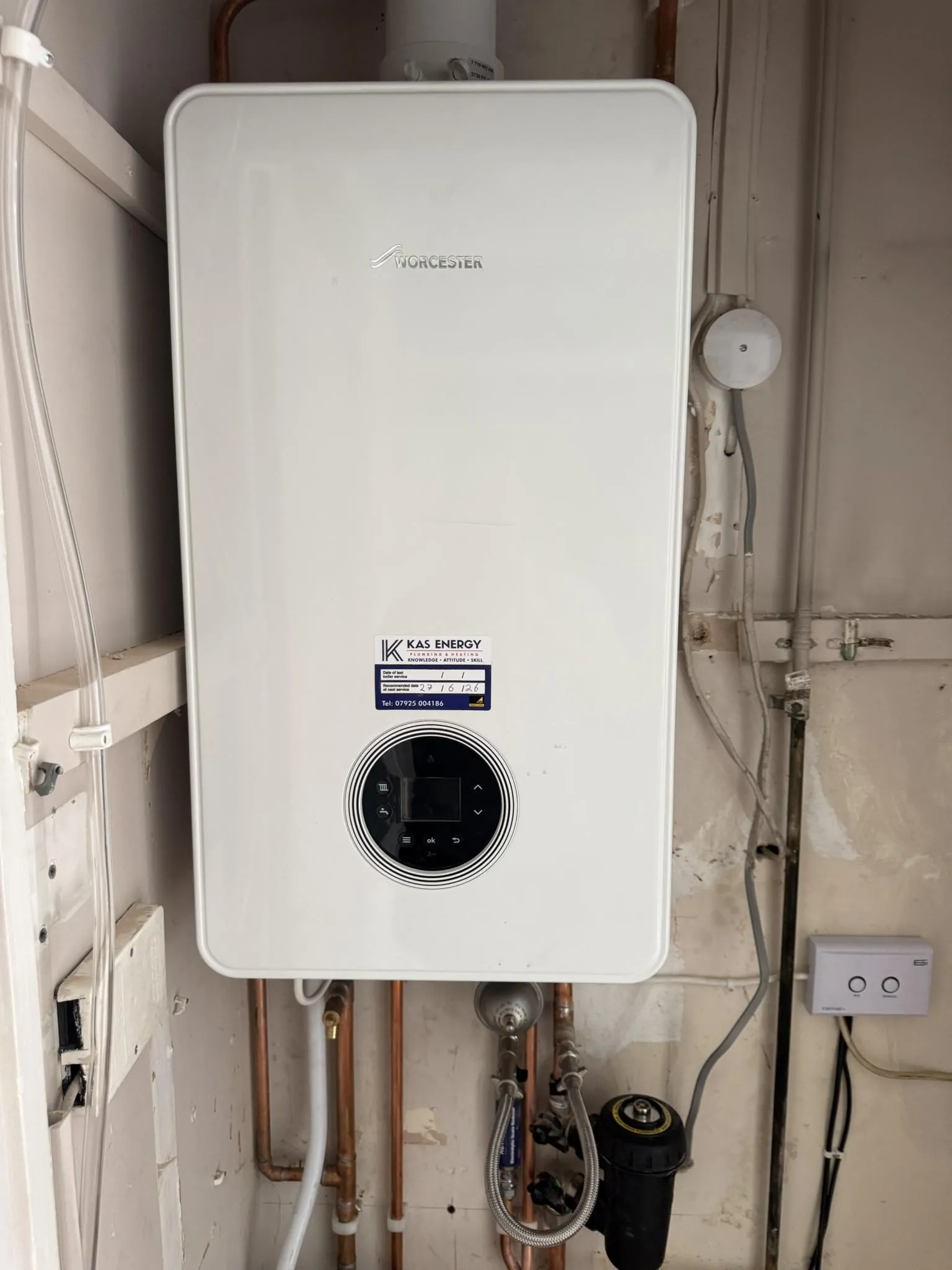
The average lifespan of a modern boiler is around 10 to 15 years with regular servicing. If a boiler is older than that, it is not necessarily on its last legs, but it is worth thinking about. Older boilers are less efficient, cost more to run, and are more likely to develop faults. Parts can also become harder and more expensive to source over time.
A Gas Safe registered engineer can carry out an assessment and give honest advice on whether the boiler still has useful life left or whether replacement makes more financial sense.
2. Energy Bills Have Gone Up
If energy bills have crept up but usage has not changed, the boiler's efficiency may be declining. Older boilers can drop significantly in efficiency over time, meaning a large portion of the energy being paid for is being wasted.
Modern A-rated boilers run at over 90% efficiency, which can make a noticeable difference to household bills year on year. For many homeowners across Derbyshire and Nottinghamshire, a new boiler installation pays for itself over time through energy savings alone.
3. It Needs Frequent Repairs
The odd repair here and there is normal. But if an engineer is being called out on a regular basis, those costs add up quickly. A good rule of thumb is that if a repair costs more than half the price of a new boiler, replacement usually makes more financial sense in the long run.
Keeping a record of repair costs is a good way to track whether the boiler is becoming more trouble than it is worth.
4. It Takes Longer to Heat Up
If it is taking noticeably longer to heat the home or the hot water, this can be a sign that the boiler is struggling. It could be a specific component failing or simply general wear over time. Either way it is worth getting it checked before it becomes a bigger and more expensive problem.
5. Strange Noises Including Banging, Clunking, or Kettling
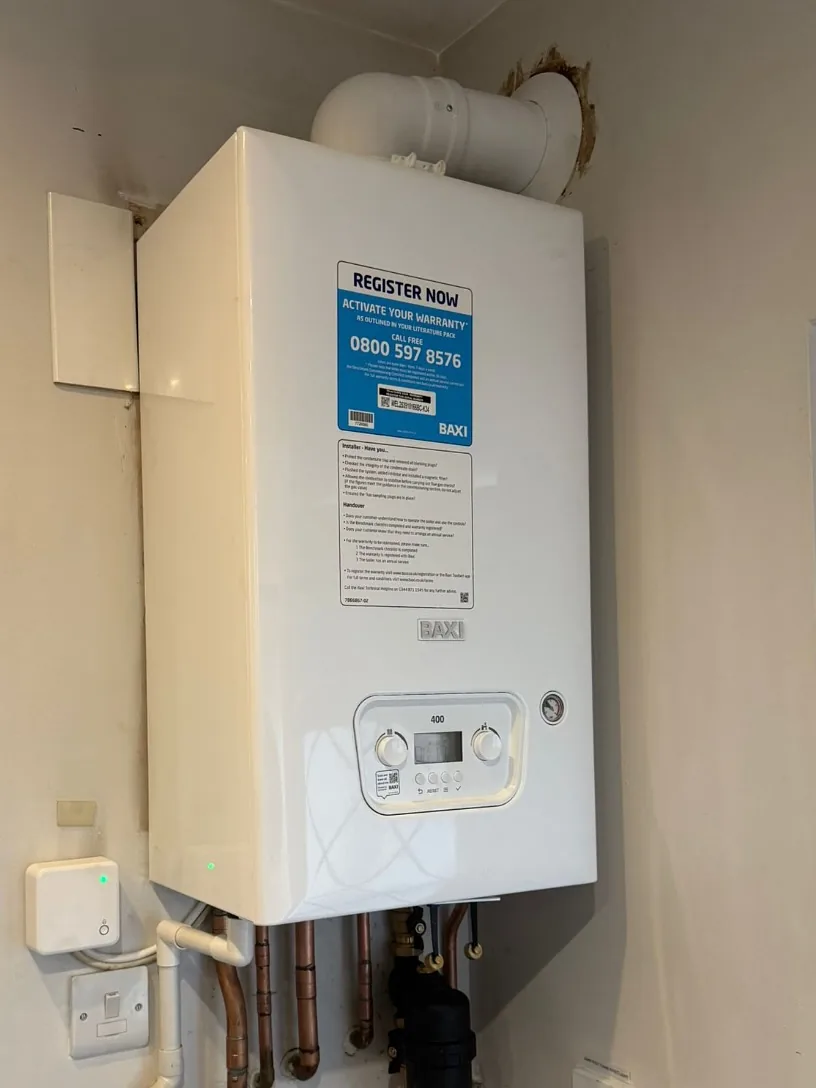
A healthy boiler should run quietly. Banging, clunking, or a low rumbling sound known as kettling are all warning signs. Kettling in particular, which sounds a bit like a kettle boiling, usually indicates limescale or sludge buildup. This puts extra strain on the system and reduces efficiency over time.
A power flush can sometimes resolve sludge issues, but if the boiler is older and the problem keeps returning, replacement may be the better long-term option.
6. A Yellow or Orange Flame Instead of Blue
A boiler's flame should always be crisp and blue. A yellow or orange flame can indicate incomplete combustion and is a potential sign of carbon monoxide. If this is noticed, the boiler should be turned off immediately and a Gas Safe registered engineer called.
Carbon monoxide is colourless and odourless, which is why installing a carbon monoxide detector is strongly recommended in any home with a gas boiler.
7. Radiators Are Taking a Long Time to Heat Up
If some radiators are slow to heat or have cold patches at the top or bottom, this could be a circulation issue, sludge buildup, or a sign that the boiler is not producing enough pressure. It is worth getting it checked sooner rather than later, as leaving it can lead to more significant damage to the heating system.
8. No Hot Water or It Takes a Long Time to Come Through
If hot water is taking much longer than usual to come through, or there is no hot water at all, this is one of the most noticeable signs that something is wrong with the boiler. It could be a faulty diverter valve, a failing pump, or a sign that the boiler is simply not performing as it should.
Occasionally this can be resolved with a repair, but in older boilers it often indicates the system is starting to fail more broadly. Getting it assessed sooner rather than later avoids being left without heating and hot water entirely.
Should You Repair or Replace?
Not every fault means a new boiler is needed. Sometimes a repair is absolutely the right call and a Gas Safe registered engineer will always give an honest assessment. If the boiler can be repaired cost-effectively, that will be the recommendation. If replacement makes more sense long-term, the reasons will be explained clearly along with all available options.
A free home survey is always the best starting point. An engineer will assess the boiler and the whole heating system properly, giving accurate advice based on what is actually found rather than a guess over the phone.

Areas Covered Across Derbyshire and Nottinghamshire
KAS Energy carry out boiler assessments and installations across the region including Alfreton, South Normanton, Heanor, Ripley, Belper, Derby, and Nottingham.
Get a Free Quote
The best starting point is a free home survey. A Gas Safe registered engineer will visit, assess the property, and provide a written quote with no obligation.
Request Your Free Quoteor call 01773 424563